Blogging·Priya Raman·
Blogging in 2026: A Publishing Routine That Actually Lasts

Most blogs do not fail because the writing is bad. They fail because the routine was built for a week that never came.
Key facts
- A calendar is a promise; a routine is what keeps it
- Capture ideas in one place so the blank page never starts empty
- One strong post a week beats five thin ones
- An editorial checklist shortens editing more than motivation does
Every blog begins with a burst of energy and a publishing schedule that assumes nothing else will happen. Then a busy week arrives, the schedule slips, and the gap between the plan and the archive becomes a reason to stop. The problem is rarely talent. It is a routine that was designed for an ideal month.
A sustainable blog is built around the worst week, not the best one. If the routine still produces something when you are tired and short of time, it will survive the year.
Capture ideas before you need them
Keep one place for ideas, and make it easy to add to from a phone. A question from a reader, a mistake you made, a tool that surprised you: each is a seed. The goal is that when you sit down to write, you choose from a list rather than staring at a blank page.
Give each idea a one-line promise: by the end of this post, the reader will know how to do a specific thing. If the promise is vague, the post will be vague. If it is too broad, it is probably three posts.
A draft process you can repeat
Write the outline first: the promise, three to five sections and the evidence for each. Then write the ugly first draft without editing. Then edit once for structure and once for language. Separating those steps is faster than trying to do all of them at once.
Keep a short editorial checklist beside the draft. Does the opening state the promise? Does each section earn its heading? Is there an example, a number or a source? Are the links useful? Is the ending a next step rather than a summary of what was just read?
Consistency is not writing every day. It is making the next post easy to start.
Publish on a cadence you can defend
One strong post a week beats five thin ones. A cadence is not a moral commitment; it is a promise to the reader about when to come back. Choose a rhythm you can keep for six months, then protect the time in the calendar the way you would protect a meeting with a client.
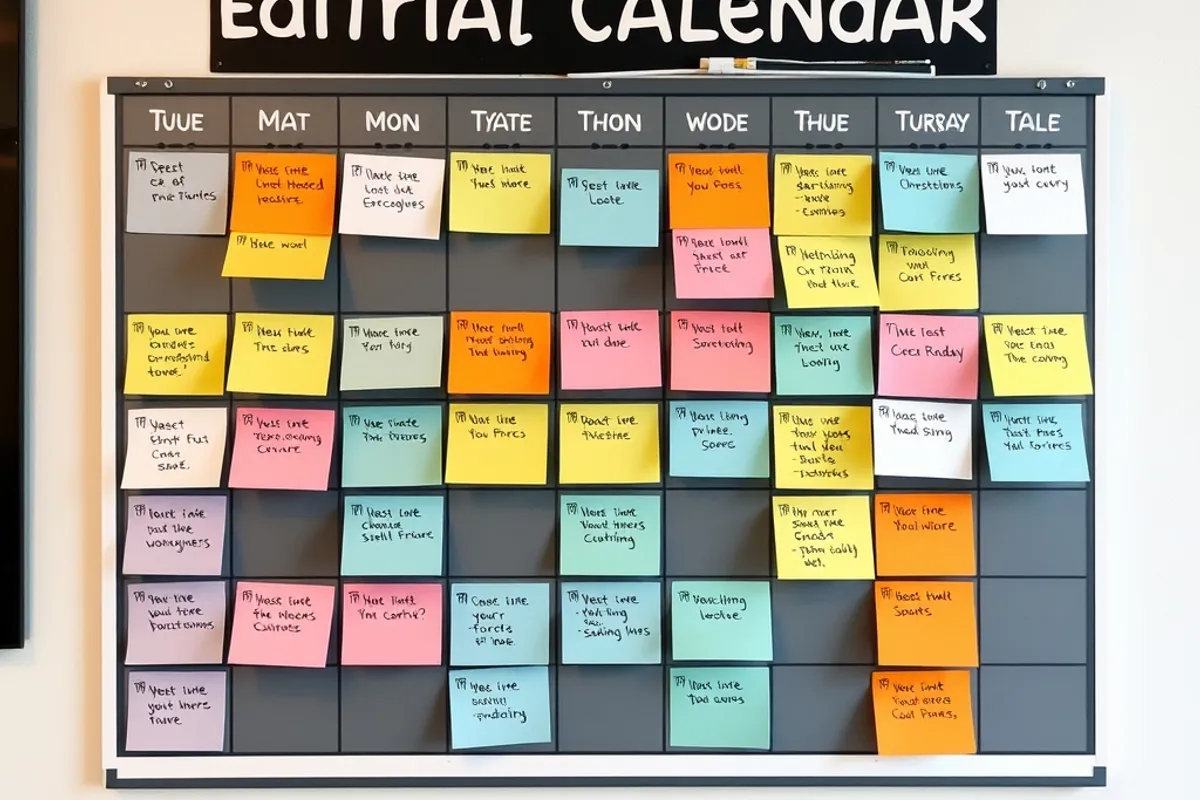
Batch the boring parts. Research two posts in one session, prepare images for a month, write the newsletter in the same sitting as the post. Every switch between tasks has a cost, and batching removes some of it.
An editorial checklist
- The title names the reader and the outcome.
- The first paragraph makes a promise the post keeps.
- Each section has one idea and one piece of evidence.
- Links go to sources the reader can actually use.
- The ending gives a next step, not a recap.
Measure the habit, not just the traffic
Track how many posts you published, how long each took and which ones readers finished. Traffic is a lagging indicator and it moves for reasons outside your control. The habit is the input you can actually manage.
For the search side, read our SEO writing guide. For the site that hosts it, see our Web Design section.
Written by Priya Raman for Rhetts Cheuvront. Tips or corrections? Contact the desk.