Software·Maya Ellison·
Software Tools in 2026: What Teams Actually Adopt Now

A new tool is a promise. Adoption is the work. We look at why software gets abandoned and the trial that tells you the truth before the invoice does.
Key facts
- A tool used by half the team costs the same as one used by all of it
- Run a two-week trial with real work, not a demo dataset
- Count seats, integrations and admin time, not just the monthly price
- The best tool is often the one people already open every day
Every software purchase begins with a demo that works perfectly. The data is clean, the workflow is short and the person presenting has used the product for months. Six weeks later, half the team is back in the old spreadsheet and the new tool has become another tab nobody opens.
The gap between buying and adopting is where most software budgets disappear. It is rarely a product failure. It is a mismatch between how the tool was sold and how the team actually works on a Tuesday afternoon.
Why good tools get abandoned
The first reason is friction at the start. A tool that needs a migration, a new login and a changed habit asks for effort before it gives anything back. If the first week is all setup, people return to the thing that already works.
The second reason is unclear ownership. When nobody is responsible for the tool, nobody notices that the integration broke, the templates are empty or the trial ended. Software without an owner becomes background noise with a recurring charge.

Run a trial that tells the truth
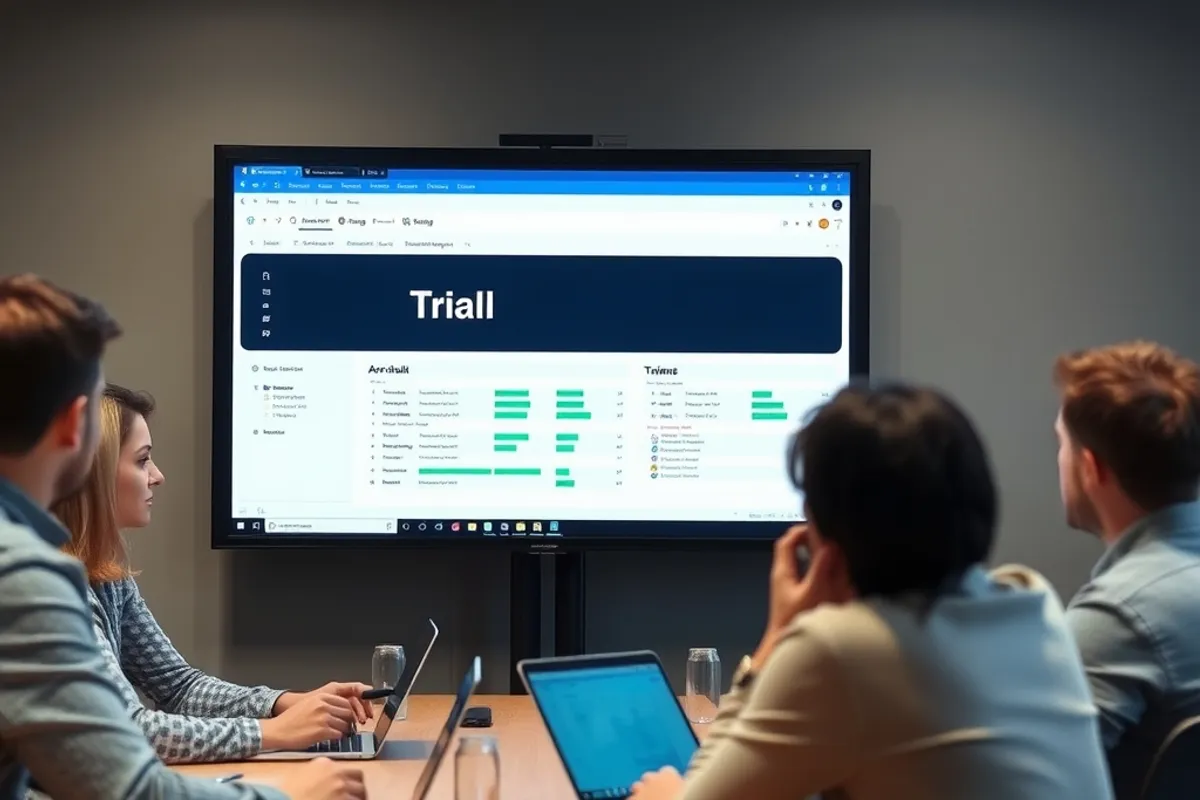
A two-week trial should use real work, not a sample project. Pick one recurring task, move it into the new tool and compare the time and the number of places work can wait. If the trial cannot survive a busy week, the rollout will not either.
Name one owner and three testers who will use the tool daily. Ask them to log every moment they get stuck, not just their overall impression. Friction is specific: a missing field, a slow search, a permission that requires an admin.
A demo shows what a tool can do. A trial shows what your team will do with it.
The real cost of a seat
The monthly price is the smallest part of the bill. Add the admin seat, the integration tier, the storage add-on and the time spent managing permissions. Then count the seats nobody uses: contractors who left, shared logins, the manager who only needs to approve.

A tool used by half the team is not half the cost. It is the full subscription plus the cost of two systems running in parallel. Either commit to the rollout or cancel the tool; the middle state is the most expensive one.
A checklist before you commit
Work through this list with the owner and the testers. If a line has no clear answer, the decision is not ready for a credit card.
- Which single task will this tool replace, and who does that task today?
- What data has to move, and who checks that nothing was lost?
- Which seats are essential, and which can be viewer or free accounts?
- What happens to the work if we cancel in six months?
- Who owns the tool, the permissions and the renewal date?

What adoption looks like six weeks later
Adoption is not a launch email. It is the tool appearing in ordinary conversation: someone shares a link, a new hire is added without a reminder, the old spreadsheet stops being updated. If that has not happened by week six, the trial failed regardless of what the dashboard says.
For the cost side of the same decision, read our subscription audit guide. For the hardware that runs it, see our Hardware section.
Written by Maya Ellison for Rhetts Cheuvront. Tips or corrections? Contact the desk.